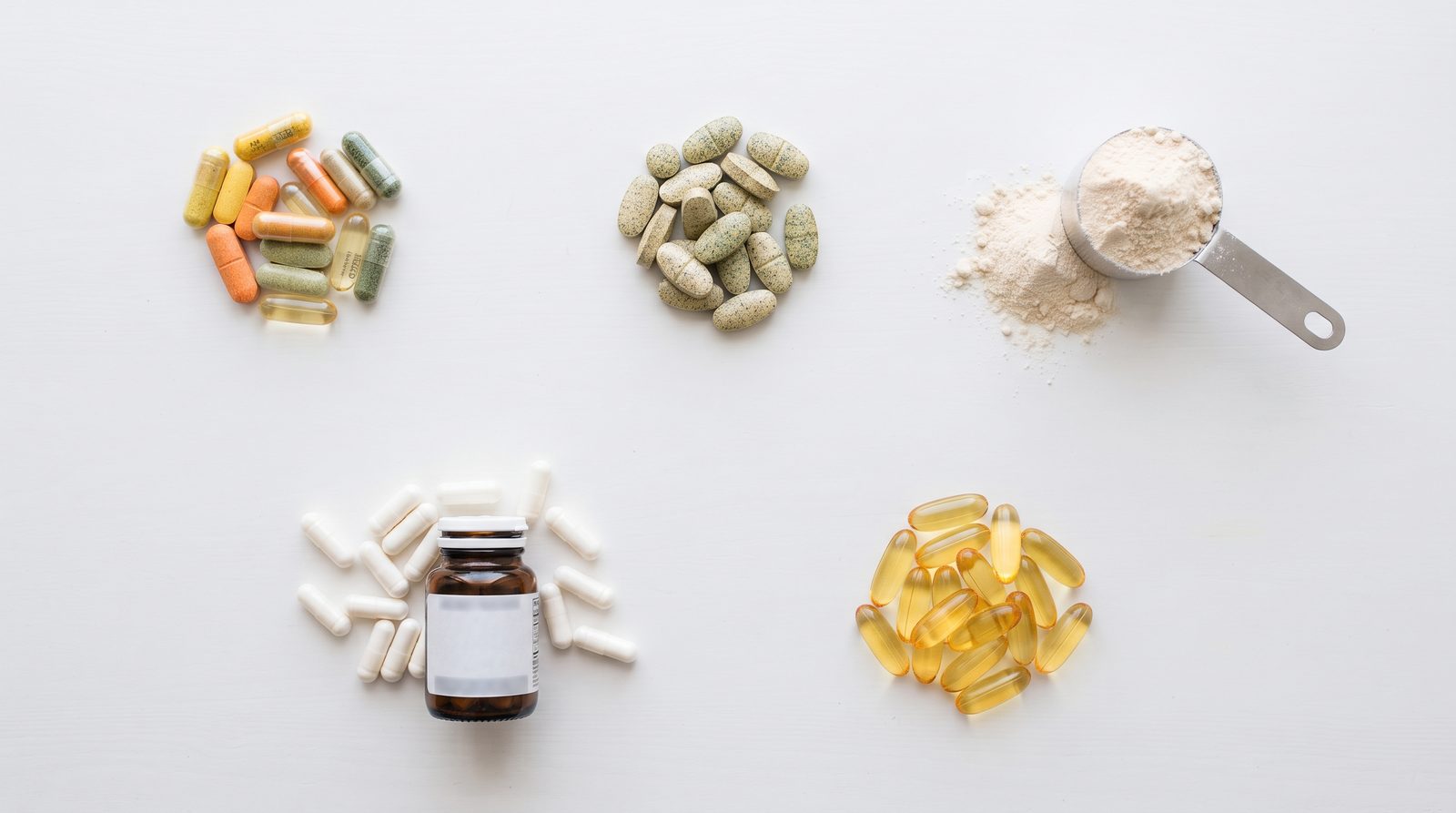
Overall supplement-usage statistics — like CDC's 60.2% figure for US adults — tell only part of the story. A more granular breakdown, from a Council for Responsible Nutrition (CRN) consumer survey conducted by Ipsos, shows which specific categories of supplements people actually reach for. We want to be transparent about sourcing here: CRN is a supplement industry trade association, not an independent government body, so we treat its figures as directionally real but self-interested — worth citing with that context, not presented as neutral. This particular breakdown comes from CRN's most detailed historical survey (2019), the last edition with a full free category breakdown publicly available; more recent CRN editions have reported overall usage figures without the same free demographic detail.
The category breakdown
- Vitamins and minerals: 76% — by far the largest category, and the most "basic" tier of supplementation (multivitamins, standalone vitamin D, calcium, etc.)
- Specialty supplements: 40% — a broader category covering products like probiotics, fish oil, and glucosamine
- Herbs and botanicals: 39% — includes products like ashwagandha, turmeric, and elderberry
- Sports nutrition products: 28% — protein powders, creatine, pre-workout formulas
- Weight management supplements: 17% — the smallest category
What this ordering suggests
The dominance of basic vitamins and minerals (76%) over every other category is worth sitting with — it suggests that despite the visibility of trendier categories like adaptogens and sports nutrition in wellness media and social content, the actual bulk of supplement use remains foundational: covering gaps in vitamin D, calcium, a daily multivitamin, and similar basics, rather than exotic or performance-oriented products.
The relatively low weight-management category (17%) is also notable — it suggests that despite significant marketing spend in that specific space, it represents a minority use case relative to general nutrient supplementation.
A caution about category overlap
These percentages don't sum to 100% and aren't meant to — most supplement users fall into multiple categories simultaneously (someone taking a multivitamin and fish oil counts in both "vitamins/minerals" and "specialty supplements"). This connects to a pattern we've covered elsewhere: CDC data shows 38.7% of US supplement users take two or more products, and this category breakdown helps explain what that stacking typically looks like in practice — usually a foundational vitamin/mineral product plus one or two more targeted additions.
Why we're citing a 2019 survey, and being upfront about it
We want to be explicit about something easy to gloss over: this specific category breakdown is from 2019, not 2025 or 2026. In researching this topic, we found that CRN's more recent survey editions (most recently 2023, reporting a 74% overall figure) have not published the same level of free category-by-category detail — that deeper breakdown is only available in CRN's paid full report for recent years. Rather than presenting outdated data as current, or omitting a genuinely useful breakdown entirely, we're citing the most recent edition where this specific detail was freely available, with the date clearly stated. The general shape of the breakdown — vitamins/minerals as the dominant category — is unlikely to have shifted dramatically in a few years, but the exact percentages should be read as a 2019 snapshot, not a current figure.
What's changed in the wellness landscape since 2019
It's worth noting that the wellness and supplement industry has shifted meaningfully since 2019 — the specialty and herbal/botanical categories in particular have likely grown given the broader adaptogen and gut-health trends discussed elsewhere on this site, though we don't have a verified, current percentage to confirm the magnitude of that shift. This is a genuine data gap rather than something we're speculating past.
Source: Council for Responsible Nutrition (CRN) Consumer Survey on Dietary Supplements, 20th annual edition, published September 30, 2019 — the most recent edition with a fully public category breakdown. CRN is a supplement industry trade association; figures should be read with that context.