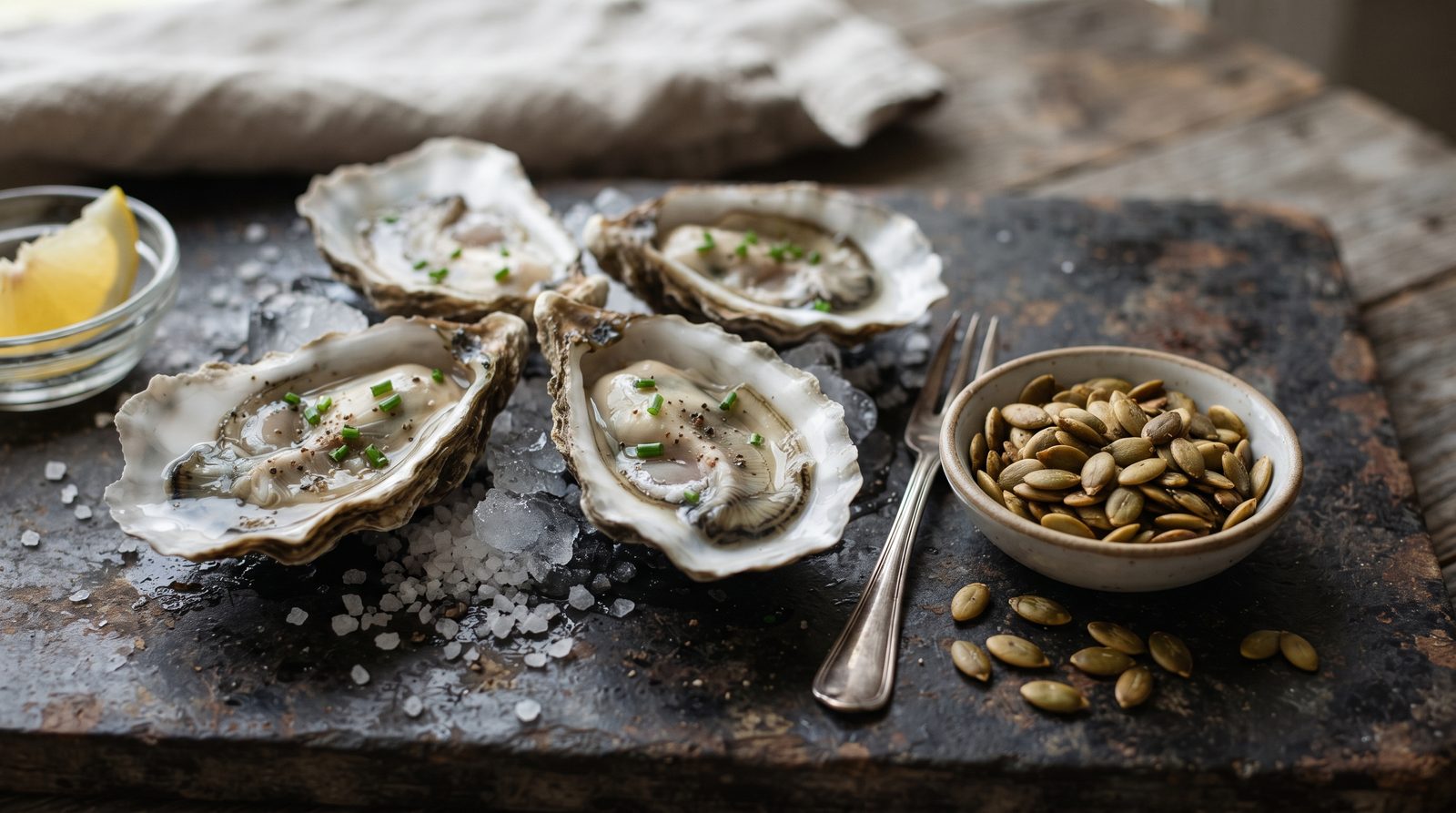
Zinc doesn't get the attention that iron, vitamin D, or B12 receive, but it's involved in over 300 enzymatic reactions in the body — including the ones that keep the immune system responsive, taste buds functioning, and hair follicles cycling normally. Low-grade deficiency is easy to overlook precisely because none of its individual symptoms point unambiguously to zinc.
Signs that are commonly missed
- Getting sick more often, and staying sick longer — zinc is central to normal immune cell function
- Diffuse hair thinning — not patchy bald spots, but an overall reduction in density
- Food tasting duller, or reduced sense of smell — zinc plays a direct role in taste bud regeneration, one of its more distinctive symptoms
- Slower-than-expected wound healing
- Skin rashes or lesions, particularly around the mouth, eyes, and hands, in more pronounced deficiency
- Reduced appetite — frequently overlooked as a potential cause rather than assumed to be a general symptom of feeling unwell
Individually, each of these has a dozen plausible explanations — which is exactly why zinc deficiency tends to go unconsidered. Two or three appearing together, especially alongside a diet-related risk factor, forms a more meaningful pattern worth investigating.
Who's genuinely at risk
- Vegetarians and vegans — plant foods contain phytates, compounds that bind zinc and meaningfully reduce absorption, even when dietary zinc intake looks adequate on paper.
- People with GI conditions — Crohn's disease, chronic diarrhea, and malabsorption disorders all significantly reduce zinc uptake.
- Pregnant and breastfeeding people — zinc requirements rise substantially to support fetal and infant growth.
- Heavy alcohol users — alcohol both reduces zinc absorption and increases urinary loss.
A practical note for plant-based eaters
If you're vegan or vegetarian, soaking or sprouting beans, nuts, and grains before eating them reduces their phytate content and measurably improves zinc absorption — a simple, evidence-supported preparation change rather than requiring supplementation by default.
Testing and treatment
Like magnesium, zinc deficiency is rarely confirmed via routine blood testing — plasma zinc levels don't always reliably reflect tissue-level stores, so clinicians typically weigh symptom and dietary pattern first. If supplementing, it's worth knowing that high-dose, long-term zinc supplementation can interfere with copper absorption; the adult upper limit is 40mg/day from supplements unless a doctor advises otherwise for a confirmed deficiency.
If hair thinning, frequent infections, or a dulled sense of taste sound familiar, our zinc deficiency test weighs your symptoms against your diet and digestive history the way a clinician would before deciding whether supplementation makes sense.
The zinc-copper balance, explained
The copper-interference caution mentioned above deserves a fuller explanation, since it's one of the more specific and well-documented nutrient interactions in this space. Zinc and copper are absorbed through competing pathways in the gut — sustained high-dose zinc supplementation (well above the 40mg/day upper limit, often seen with megadose "immune support" products) can suppress copper absorption enough to cause a secondary copper deficiency over time, which itself can cause anemia and neurological symptoms. This is a genuine, documented case, not a theoretical worry, and it's a good illustration of why "more is better" doesn't hold even for a nutrient with a comparatively good general safety profile like zinc.
Zinc and the common cold: separating short-term use from ongoing status
Zinc lozenges are widely marketed for shortening cold duration when taken at the first sign of symptoms — a genuinely different use case from the deficiency-focused discussion above. There's reasonable evidence for a modest effect on cold duration with this short-term, symptom-onset use. This is worth distinguishing clearly from daily zinc supplementation for general deficiency prevention, which is a separate decision based on the risk factors discussed above, not on cold-and-flu season timing.
Sourced from NIH Office of Dietary Supplements clinical guidance on zinc.